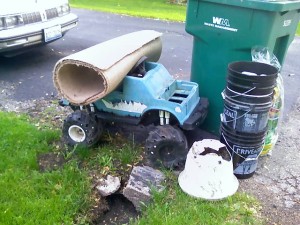
 For many older adults, personal items represent history and legacy; older people tend to have more difficulties in managing their collections of items. People who tend to hoard frequently identify their possessions as essential to their identities, and losing a possession may produce a high level of anxiety or a sense of loss.
Collecting Verses Hoarding
Collectors typically keep their possessions well-organized, and each item differs from others. The idea behind collecting is to display these items to others who appreciate them. But hoarding goes beyond collecting. Signs of hoarding include:
– Bringing more and more items home, when there is no more space
– Saving junk mail, package materials and useless items
– Items unopened in original packing
– Lack of organization that makes it impossible to reach or locate items
Hoarding Creates Unsanitary Conditions
Dirt, mold and mildew are only the beginning of a hoarder’s unhealthy surroundings. Dust mites thrive in clutter, especially if it hasn’t been touched in years.
– Flooring can rot with age under piles of garbage and belongings
– When pet droppings dry and turn to dust, the particles can be inhaled
How to Help
People who are experiencing compulsive hoarding usually find it difficult to control the behavior without help. Some basic tips to help intervene are: avoid being critical or judgmental about the older adults living environment, refer for medical and mental health evaluation, collaborate actively with the older adult in seeking solutions, and go slowly expecting a gradual change. Patience is key for long term success.