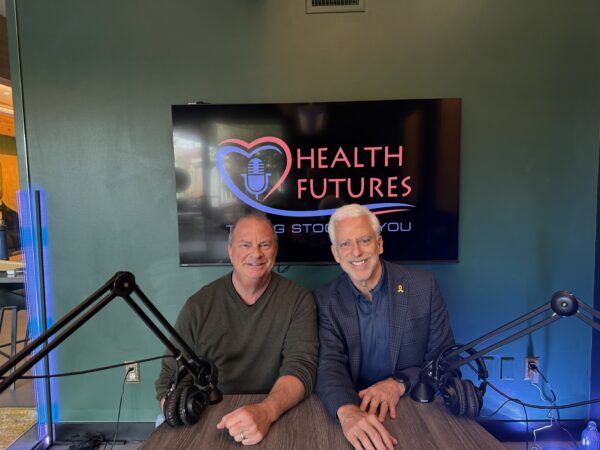
Health Futures: Taking Stock in You continues its podcast-only format with a deeply personal and forward-looking conversation about brain health, Alzheimer’s care, and why supporting caregivers is just as critical as treating patients.
In this episode, host Bob Roth welcomes Dr. Dani Cabral, a dual board-certified neurologist and psychiatrist and founder of Brain Love, for a wide-ranging discussion on the future of cognitive care, early diagnosis, and how medicine must evolve to meet the emotional realities of aging.
Together, they explore what’s changing in Alzheimer’s treatment, why the traditional health care system often falls short, and how a more holistic, relationship-centered model can transform outcomes for patients and families alike.
🎧 For the full episode, CLICK HERE
Audacy | Apple | Spotify
From Two Disciplines to One Integrated Mission
Dr. Cabral’s path into brain health is anything but conventional. Trained in both neurology and psychiatry, she set out to bridge a divide she saw early in her career: neurologists often focused on imaging and biology, while psychiatrists addressed mood and behavior, with too little overlap between the two.
Working extensively with older adults and families affected by Alzheimer’s and other neurodegenerative conditions, Cabral saw how deeply cognitive decline impacts emotional health, identity, and relationships. That insight shaped her career and ultimately led her to create a care model that treats the brain, mind, and family system as inseparable.
Her training and research at leading institutions, including Banner Alzheimer’s Institute, gave her a front-row seat to both the promise of emerging science and the limitations of traditional care delivery.
Why “Brain Love” Was Created
A central theme of the episode is frustration with a health care system that is poorly designed to support people living with cognitive change and those caring for them. Short appointments, rigid reimbursement structures, and siloed specialties often leave families feeling overwhelmed and unheard.
Cabral launched Brain Love to offer something different: a high-touch, comprehensive approach that prioritizes early evaluation, personalized care plans, and dedicated support for care partners.
Unlike conventional memory clinics, Brain Love treats caregivers as patients in their own right, recognizing the emotional toll, stress, and health risks they face. The practice blends medical evaluation with lifestyle guidance, mental health support, and ongoing coaching, creating space for hope rather than resignation.
Early Detection, New Treatments, and Realistic Hope
Roth and Cabral also dive into the rapidly evolving science of Alzheimer’s disease. After decades without meaningful breakthroughs, new anti-amyloid therapies are beginning to slow cognitive decline for some patients, especially when used early.
Cabral explains how advances in blood testing, imaging, and diagnostics are allowing clinicians to identify disease earlier than ever before, sometimes years before symptoms emerge. While these tools are not simple or one-size-fits-all, they are opening doors to treatment, planning, and proactive care that were previously unavailable.
Just as important, she stresses that medication alone is not enough. Addressing sleep, movement, mental health, social connection, and cardiovascular risk can meaningfully improve quality of life and, in some cases, cognitive function.
Retiring the “D Word” and Preserving Identity
One of the most powerful moments in the episode centers on language. Cabral is outspoken about the harm caused by the word “dementia,” which she believes reinforces stigma, fear, and isolation.
Rather than defining people by decline, she advocates for language that preserves dignity and identity. As Roth notes, individuals with cognitive impairment are still present, still feeling, and still deserving of inclusion in conversations about their own lives.
Changing language, Cabral argues, is not cosmetic — it can influence whether people seek evaluation, engage in care, and maintain hope.
Care Partners at the Center of the Conversation
Throughout the episode, Roth and Cabral return to a shared concern: family caregivers are doing heroic work with far too little support. Millions of spouses and adult children provide daily care at significant cost to their own health, often without realizing the risks.
Cabral emphasizes that caregiving requires its own care plan, including emotional support, boundaries, and permission to prioritize personal well-being. Without that, burnout becomes almost inevitable.
By creating space for caregivers to be seen and supported, she believes outcomes improve for everyone involved.
A Relationship-Driven Future for Brain Health
As the conversation wraps up, Roth reflects on a theme that runs through the entire episode: connection. Whether through early diagnosis, caregiver support, or lifestyle change, progress in brain health depends on relationships, trust, and shared responsibility.
For families navigating cognitive change, the message is clear: it is never too late to seek help, ask questions, or reimagine what care can look like.
And for the health care system as a whole, Cabral’s work offers a blueprint for what’s possible when science and compassion move forward together.
📌 Learn more about Brain Love: MyBrainLove.com
📌 Learn more about Health Futures: Taking Stock in You and Cypress HomeCare Solutions: CypressHomeCare.com or call (602) 857-8694
📝 This content is for educational purposes only and is not medical or legal advice.