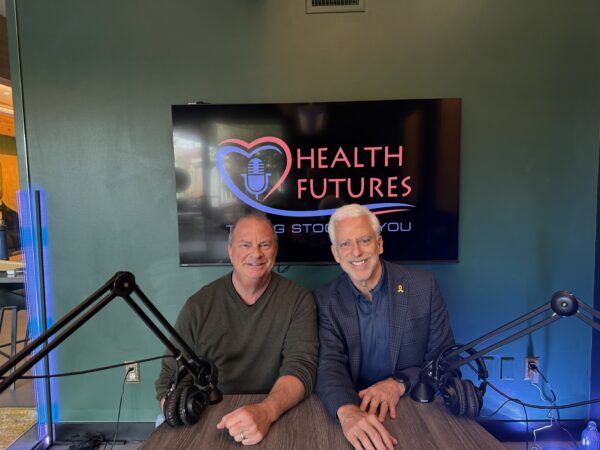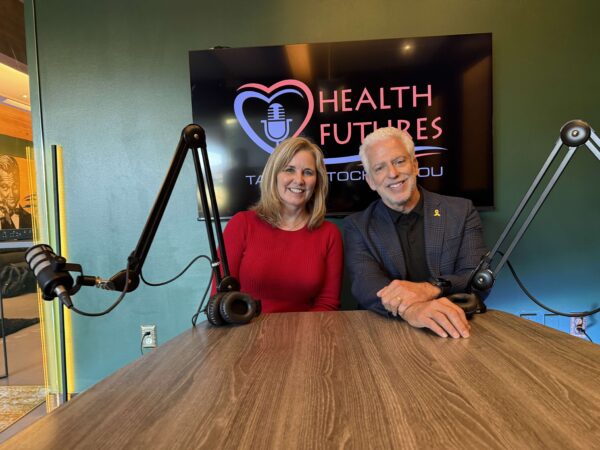
Health Futures: Taking Stock in You continues its podcast-only format with a powerful conversation about caregiver burnout, patient experience, and why the well-being of healthcare workers directly shapes the quality of care we all receive.
In this episode, host Bob Roth welcomes Dr. Tiffany Pankow, Vice President and Chief of Caregiver Wellness and Patient Experience at HonorHealth, for an honest discussion about burnout in medicine, loneliness as a public health crisis, and the systems needed to support both patients and the people who care for them.
Together, they explore how healthcare must evolve beyond crisis response toward prevention, connection, and whole-person care.
🎧 For the full episode, CLICK HERE
Audacy | Apple | Spotify
When Caregivers Are Running on Empty
Dr. Pankow’s role is unusual in healthcare leadership and intentionally so. She oversees both caregiver wellness and patient experience, recognizing the two are inseparable.
“The well-being of our employees is going to impact the experience and the well-being of our patients,” she explains. “Whether you’re at the bedside, in IT, or in food services, you affect patient care.”
Burnout, she notes, did not begin with the pandemic. COVID simply exposed a system that was already stretched thin. Dr. Pankow speaks openly about her own moment of crisis early in her career, when she nearly left medicine entirely.
“I didn’t want others to be in that space,” she says. “I wanted to help make it a place where people can practice, thrive, and feel fulfilled in the work that they do.”
That personal experience now shapes her mission: building structures that allow healthcare workers to stay in the profession without sacrificing their mental health.
A Culture Shift: Peer Support and Removing Stigma
One of HonorHealth’s most important initiatives is peer support. Instead of expecting clinicians to carry emotional trauma alone, the system trains colleagues to support each other.
“The best person to talk to after a difficult experience is often someone who understands what you’ve been through,” Dr. Pankow says.
Equally important is reducing fear around seeking mental health care. She highlights changes in credentialing questions that previously discouraged clinicians from getting help.
“If people are struggling emotionally, they should feel free to get the help they need,” she says. “That’s a huge step forward for the healthcare workforce.”
The message is clear: resilience is not silence. It is support.
Blue Zones, Purpose, and the Science of Well-Being
Beyond crisis response, HonorHealth is investing in prevention through its Blue Zones worksite transformation, which encourages employees to build healthier environments and stronger social connections.
More than 4,600 employees have already volunteered in the community as part of the initiative. Others participate in walking groups, book clubs, or shared-interest “Moais,” social circles designed to reduce isolation.
Dr. Pankow emphasizes the importance of purpose in preventing burnout.
“People who are aligned with their sense of purpose have greater life satisfaction and resilience,” she explains. “Even if meaningful work is only part of your day, it matters.”
These efforts reflect a growing recognition that healthcare systems must care for their workforce as intentionally as they care for patients.
Reimagining Primary Care
As a longtime family physician, Dr. Pankow urges patients to build lasting relationships with primary care providers.
“The magic happens when there’s trust,” she says. “If I know you over time, I can make better decisions with you.”
Her practical advice is simple: write down your questions before appointments and bring up your biggest concern first. Too often, critical issues are mentioned at the end of a visit out of hesitation or fear.
Primary care, she argues, should not feel transactional. It should feel relational.
Small Steps, Real Change
The episode closes on a hopeful note. While healthcare systems evolve slowly, individuals can start immediately.
“The choices you make, even small behavior changes, can have a huge impact,” Dr. Pankow says. “You don’t have to overhaul your life. Start with walking. Start with connection. Start with one step.”
Lifespan without health span, she notes, is not enough. The goal is not simply to live longer, but to live well.
And that requires shared responsibility: from institutions, communities, families, and each of us.
📌 Learn more about HonorHealth
📌 Learn more about Health Futures: Taking Stock in You and Cypress HomeCare Solutions or call (602) 857-8694
📝 This content is for educational purposes only and is not medical advice.