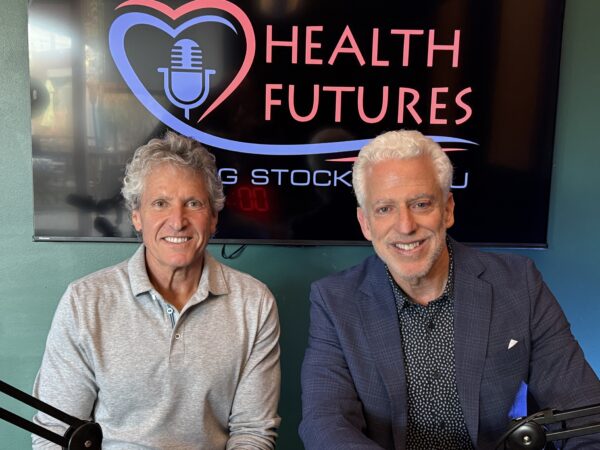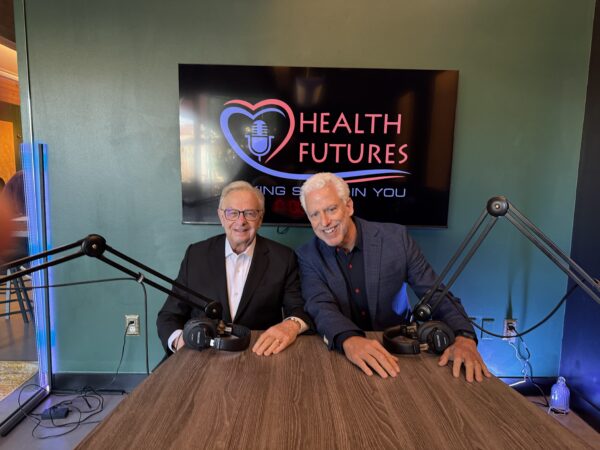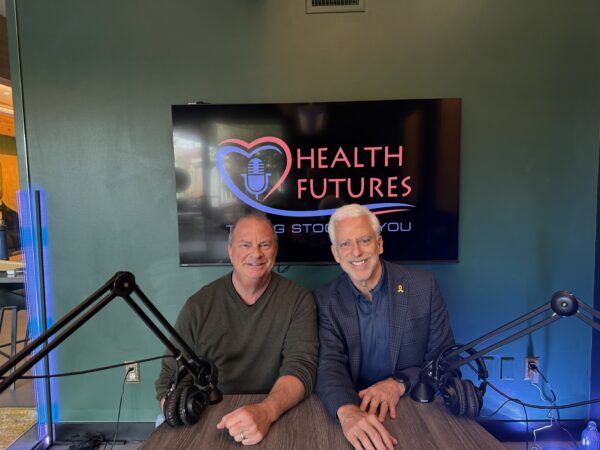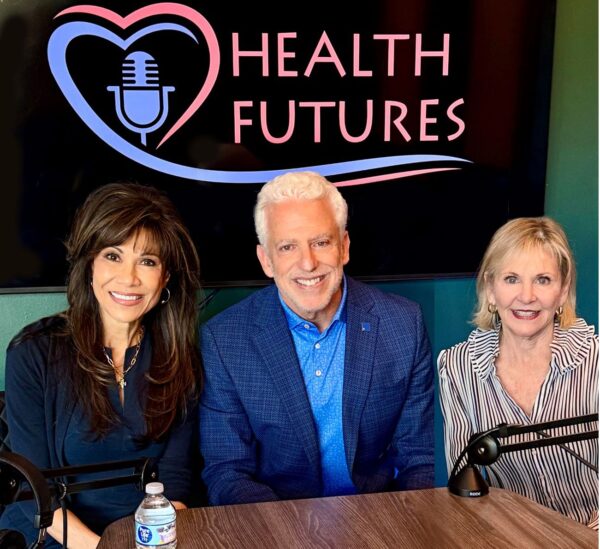
In this episode of Health Futures: Taking Stock in You, host Bob Roth welcomes Lin Sue Flood and JoEllen Feltham of Hospice of the Valley for a heartfelt conversation about caregiving, dementia support, and finding help without feeling alone.
Together, they explore what it means to care for a loved one facing cognitive decline, the emotional realities many families experience, and how community-based resources can provide both guidance and comfort. The discussion highlights Hospice of the Valley’s expanding programs designed to meet people where they are and offer support long before traditional hospice care begins.
🎧 For the full episode, CLICK HERE
Audacy | Apple | Spotify
Caregiving Is Personal and Powerful
JoEllen Feltham shares her personal experience as a care partner, describing how caregiving can feel overwhelming without the right guidance and support.
“Care partners often feel like they’re figuring everything out on their own,” Feltham explains. “But when you connect with the right resources, you realize you don’t have to carry it alone.”
The conversation highlights how dementia care impacts entire families, not just the individual receiving care. Emotional strain, uncertainty, and day-to-day decision making can quickly become exhausting, which is why early support and education matter.
Programs like Supportive Care for Dementia help families navigate the journey with more confidence, offering tools, education, and reassurance along the way.
Changing the Conversation Around Hospice
Lin Sue Flood emphasizes that many people misunderstand what hospice and supportive care truly mean.
“Hospice of the Valley is about meeting people where they are,” Flood says. “We want families to know there are resources available long before they think they need hospice.”
She explains that the organization’s work has expanded significantly to include education, community outreach, and supportive programs designed to help families earlier in the process. The goal is to reduce fear and help people understand that seeking support is a sign of strength, not surrender.
By reframing how people view care, Hospice of the Valley is helping families feel empowered rather than overwhelmed.
Education and Community Make the Difference
Throughout the discussion, both guests stress the importance of education and connection in dementia care.
“When families understand what’s happening and what to expect, everything changes,” Feltham says. “Knowledge gives people confidence and helps them feel less alone.”
Community programs and outreach initiatives help caregivers build networks, ask questions, and learn practical strategies for supporting their loved ones while also caring for themselves.
The message is clear: compassionate care extends beyond medical support. It includes emotional guidance, education, and human connection.
The Meaning Behind Aaha!
The episode also previews aaha!, Hospice of the Valley’s upcoming event on April 25, which supports charity care and vital community programs.“Aaha! is about coming together as a community,” Flood explains. “It helps ensure that compassionate care is available to everyone who needs it.”
The event reflects the organization’s broader mission to provide dignity, comfort, and support regardless of a family’s financial circumstances.
A Conversation About Not Going Through It Alone
This episode of Health Futures offers an honest and encouraging look at caregiving, dementia support, and the power of community resources. Through personal experiences and professional insight, the conversation reinforces one simple truth: no one should have to navigate this journey alone.
🎧 Listen to the full conversation to hear how Hospice of the Valley is helping families find support, education, and hope.
📌 Learn more about Hospice of the Valley
📌 Learn more about Health Futures: Taking Stock in You and Cypress HomeCare Solutions or call (602) 857-8694
📝 This content is for educational purposes only and is not medical advice.