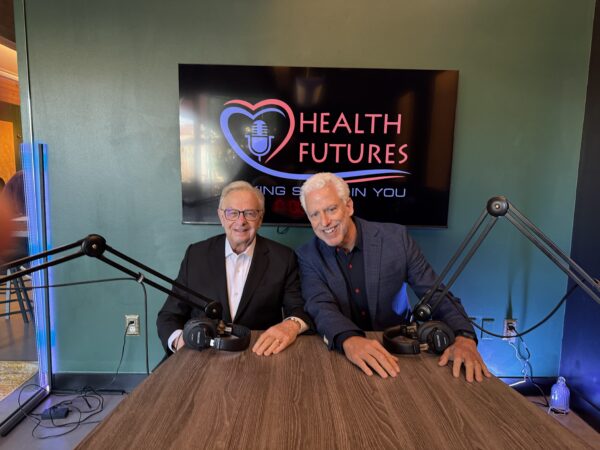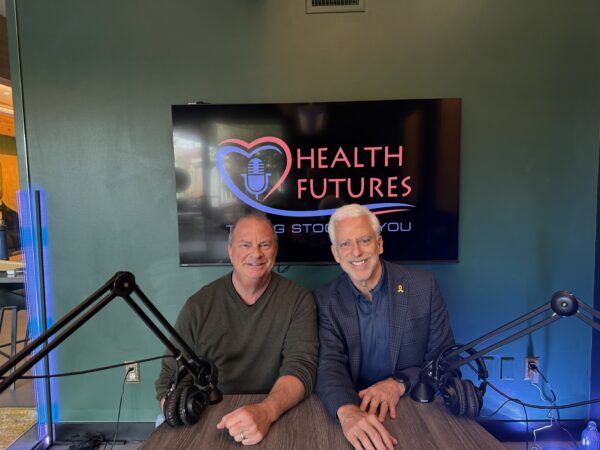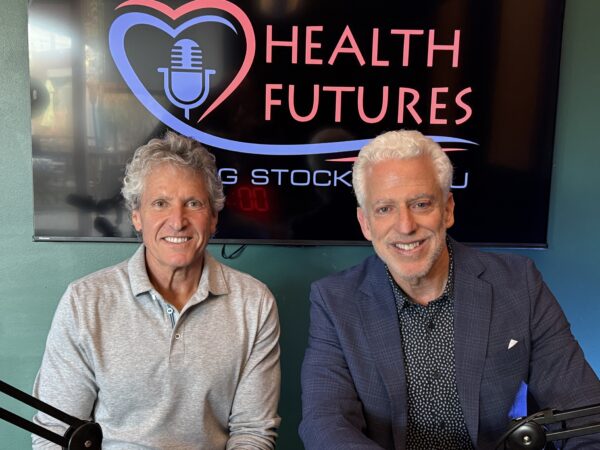
In this episode of Health Futures: Taking Stock in You, host Bob Roth welcomes back orthopedic surgeon Dr. David Bailie for a deeply personal and wide-ranging conversation about strength, aging, and what it really means to take control of your health.
From treating elite athletes to navigating his own cancer journey, Dr. Bailie offers a rare combination of clinical expertise and lived experience, sharing insights that challenge conventional thinking and encourage a more proactive approach to longevity.
🎧 For the full episode, CLICK HERE
Audacy | Apple | Spotify
A Life Built on Discipline and Curiosity
Dr. Bailie’s approach to health didn’t start in medical school. It began much earlier.
“I decided orthopedics when I was like seventh grade,” he shares, describing how an early injury and exposure to a family friend in the field sparked his interest. But beyond career choice, his commitment to health became a lifelong discipline.
“Everything is centered around, do I have access to a place to work out?” Bailie explains. “If I don’t, my family knows, stay away.”
That consistency, built over decades, reflects a central theme of the episode: long-term health is not accidental. It’s intentional.
Why Strength Training Is Non-Negotiable
A major focus of the conversation is the importance of strength, especially as we age.
“As you get older… you have to do high resistance training,” Bailie says. “If you’re not doing heavy lifting three days a week, you will dissolve your muscle away.”
He emphasizes that many people get this wrong, opting for lighter weights or more cardio instead of building true strength. But according to Bailie, that approach can accelerate decline rather than prevent it.
“Older people tend to lift light and frequent. That doesn’t do anything,” he explains. “You need to lift heavy.”
This loss of muscle mass, known as sarcopenia, is one of the biggest drivers of falls, injury, and long-term health complications, particularly in older adults.
Injury Prevention Starts Before the Injury
Drawing from decades in orthopedics and sports medicine, Bailie underscores a simple but often overlooked truth: prevention matters more than treatment.
“You can’t go run a marathon without training,” he says. “So why would you expect your body to handle heavy lifting or intense activity without preparation?”
He points to trends like CrossFit and pickleball, noting that while both offer benefits, they also come with risks. especially for those who jump in without building a foundation.
“A lot of people… have found something they can do that is exhilarating,” he says. “But they’re not ready for it.”
Instead, he encourages consistent “maintenance work,” particularly for vulnerable joints like the shoulders, which he calls “the most complex” in the body.
Rethinking Nutrition and Longevity
The conversation also challenges common assumptions about diet and longevity.
Bailie reflects on how his own understanding has evolved over time, particularly after studying global “Blue Zones,” regions where people live significantly longer, healthier lives.
“The only thing I recommend to my patients is… stay away from anybody who’s selling a product,” he says. “Nothing substitutes for organic whole foods. Period.”
He notes that many of the longest-living populations rely primarily on plant-based diets, limited processed foods, and consistent daily movement.
But perhaps most importantly, he emphasizes that health is not static.
“You have to constantly do homework because things change,” Bailie says. “You have to stay informed.”
A Personal Health Journey That Changed Everything
One of the most powerful moments in the episode comes when Dr. Bailie opens up about his own prostate cancer diagnosis.
Despite being in peak physical condition, he discovered the disease through routine monitoring.
“I had zero symptoms,” he explains. “I just checked my PSA.”
What followed was a journey that pushed him to rethink everything—from treatment approaches to nutrition and lifestyle.
“I talked to 11 different doctors in nine countries,” Bailie shares. “They all had a little different philosophy.”
That experience reinforced his belief in combining traditional and alternative approaches, rather than choosing one over the other.
“There’s a place for everything,” he says. “You have to learn about both.”
The Mental Side of Health
Beyond the physical, Bailie also speaks candidly about the emotional toll of a diagnosis like cancer.
“It messes you up mentally,” he admits. “I had nightmares like crazy.”
His wife, Amy, played a critical role in helping him maintain perspective, reminding him to step back from the constant research and focus on living in the present.
That balance, between vigilance and peace of mind. is something many listeners will relate to.
Taking Control of Your Health
Throughout the episode, one message comes through clearly: health is not something to outsource.
“You have to take responsibility,” Bailie says.
From strength training and nutrition to proactive screenings and education, the responsibility ultimately lies with each individual.
And while the path may not always be straightforward, the tools are available.
“It’s easier to take control yourself,” he explains. “But you need compliance.”
A Conversation That Goes Beyond Medicine
What makes this episode especially compelling is that it’s not just about orthopedics or even healthcare. It’s about mindset, discipline, and the choices we make every day.
Dr. Bailie’s story is a reminder that even the healthiest individuals face challenges—and that resilience is built through preparation, knowledge, and support.
It’s also a powerful call to action: to move more, learn more, and take a more active role in your own well-being.
🎧 Listen to the full episode to hear more from Dr. David Bailie on strength, longevity, and navigating health at every stage of life.
📌 Learn more about Health Futures: Taking Stock in You
📌 Learn more about Cypress HomeCare Solutions or call (602) 833-5617
📝 This content is for educational purposes only and is not medical advice.