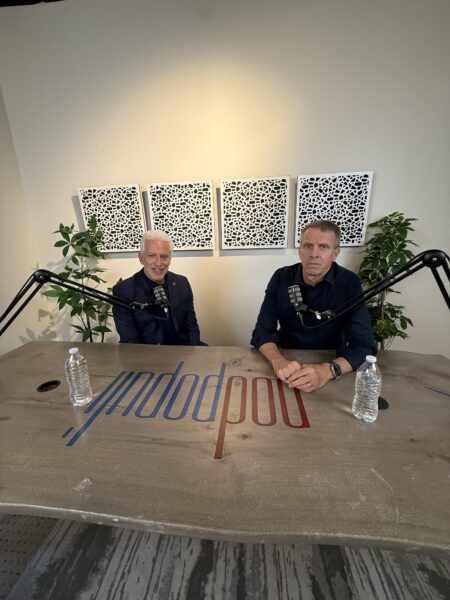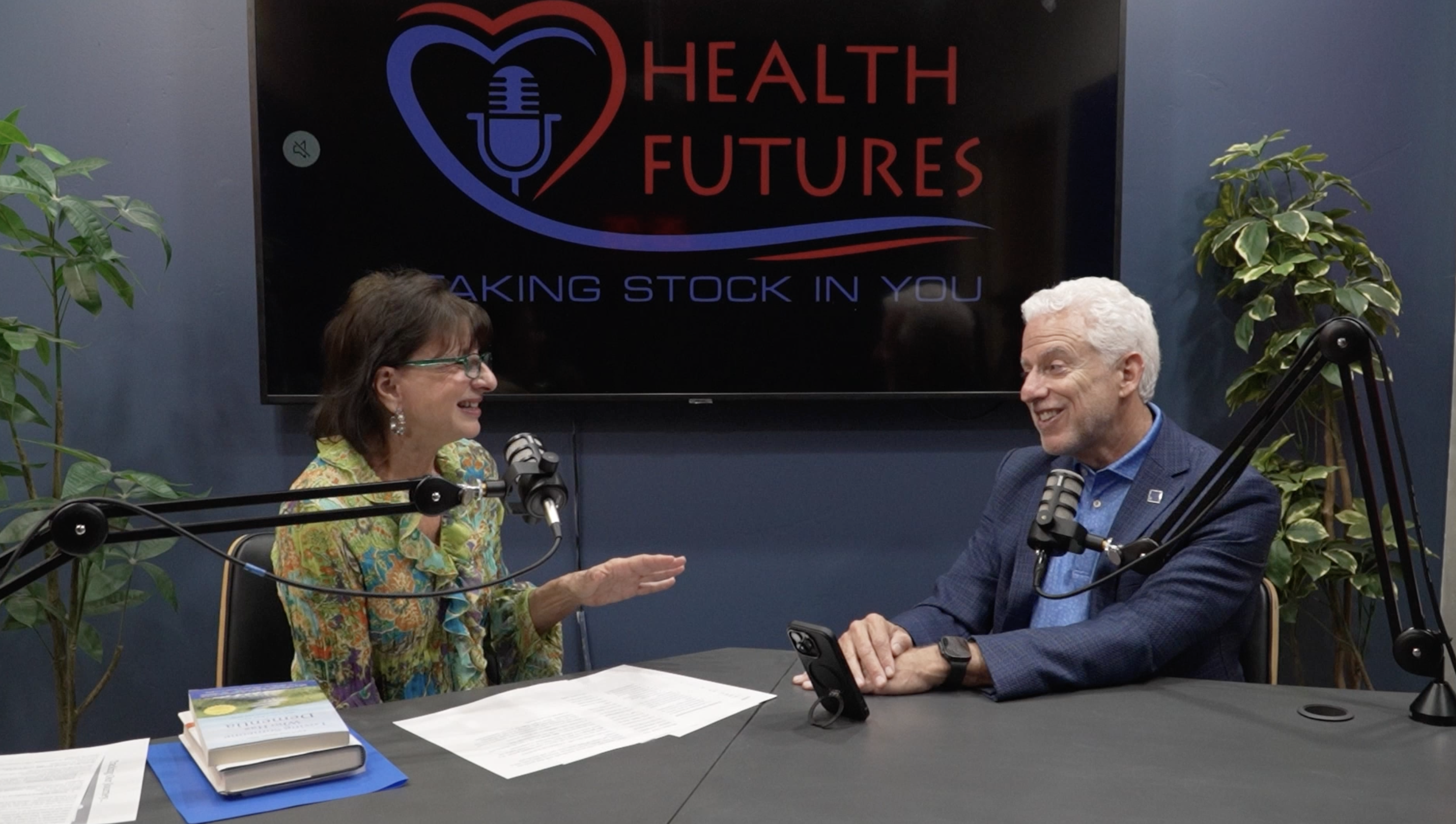
In a recent episode of Health Futures: Taking Stock in You, host Bob Roth welcomed Deanne Poulos of All Thrive 365 for a conversation about the emotional challenges of family caregiving, the importance of self-care and the resources available to help caregivers find support and balance.
Drawing from her personal experience caring for her late mother and her work leading caregiver support groups, Poulos discussed the physical and emotional demands of caregiving, the isolation many families experience and how community connections, mentorship and practical assistance can help caregivers navigate one of life’s most challenging responsibilities.
🎧 Listen to the full episode: Health Futures: Taking Stock in You
Audacy | Apple | Spotify
November is National Family Caregivers Month, a time to recognize the millions of Americans who provide care for aging parents, spouses, relatives and loved ones.
For many, caregiving begins unexpectedly. A medical diagnosis, a fall or a sudden change in a family member’s health can quickly transform everyday responsibilities into a demanding, around-the-clock commitment.
Roth, co-founder and managing partner of Cypress HomeCare Solutions, emphasized that while caregiving is often an expression of love, it can also leave individuals physically exhausted, emotionally overwhelmed and socially isolated.
For Poulos, that reality became clear when she took on the responsibility of caring for her mother.
Before becoming a caregiver, Poulos built a diverse career spanning dance, choreography, journalism, radio broadcasting and public service, including serving as press secretary for Maricopa County.
Yet she described caring for her mother as the most demanding role she had ever undertaken.
“The hardest job I’ve ever done, and I do call it a job,” Poulos said.
She explained that many family caregivers do not recognize their responsibilities as work, particularly when they are caring for someone out of love rather than receiving compensation.
But the demands can be relentless, with little opportunity for rest or personal time.
That experience eventually led Poulos to help other families facing similar circumstances. Today, she leads caregiver support groups through All Thrive 365, where participants can share their experiences, discuss difficult emotions and connect with others who understand their challenges.
Poulos explained that her background in journalism and broadcasting helped prepare her for this work. Listening to people’s stories, asking questions and encouraging individuals to share their experiences are essential parts of facilitating meaningful conversations.
For caregivers who may feel overlooked or misunderstood, those conversations can provide reassurance that they are not alone.
Poulos described how her mother’s fall and subsequent medical complications changed her life almost overnight.
After finding her mother on the floor with a broken hip, she became responsible not only for her mother’s daily care but also for coordinating medical appointments, managing finances, navigating insurance and overseeing household responsibilities.
The experience was overwhelming, particularly because she had no formal training for many of the responsibilities she suddenly faced.
Eventually, Poulos found a caregiver support group through Duet Partners in Health and Aging, an organization whose caregiver services have since become part of All Thrive 365.
The group provided an opportunity to connect with others facing similar circumstances and helped her recognize that feelings of frustration, resentment and exhaustion were common among caregivers.
After her mother’s death, Poulos initially wanted to distance herself from caregiving. Over time, however, she returned to Duet as a volunteer and eventually became a support group facilitator.
Her personal experience now informs her approach to helping others.
Poulos explained that caregivers often feel guilty admitting they are angry, frustrated or resentful, particularly when they love the person receiving care.
Support groups can help normalize those emotions by providing a safe environment where participants can speak openly without fear of judgment.
She encourages caregivers who are uncertain about joining a group to attend several meetings before deciding whether it is right for them.
The conversation also explored the different programs available through All Thrive 365, including in-person and virtual support groups, caregiver mentorship and writing workshops.
Through the organization’s mentorship program, experienced caregivers are paired with individuals who are newer to caregiving or struggling with its demands.
Mentors provide encouragement, share lessons from their own experiences and offer a listening ear through regular conversations.
Poulos explained that these relationships can be especially valuable for caregivers who feel isolated or lack a strong personal support network.
Another resource is the organization’s caregiver writing workshop, which encourages participants to process their experiences through personal reflection and storytelling.
Rather than focusing on polished writing, the program helps caregivers explore their emotions, discover patterns in their experiences and connect with others through shared stories.
Poulos described writing as a way for caregivers to express feelings they may struggle to articulate in everyday conversations.
The discussion also addressed the concept of ambiguous loss, a form of grief that can occur when a loved one is physically present but has changed significantly because of dementia, illness or disability.
For spouses and adult children, those changes can fundamentally alter relationships and create feelings of sadness that are difficult to explain.
Poulos discussed All Thrive 365’s Finding Meaning and Hope program, which draws on the work of researcher Pauline Boss to help caregivers better understand ambiguous loss and adjust to changing relationships.
The program encourages participants to recognize that not every challenge can be fixed and that accepting uncertainty can be an important part of caregiving.
For Roth, the conversation reinforced the importance of recognizing the emotional needs of family caregivers alongside the physical needs of those receiving care.
Through Cypress HomeCare Solutions, Roth has spent decades helping older adults remain safely and comfortably in their homes. He emphasized that family caregivers are essential to that mission but often need additional assistance themselves.
The two also discussed how friends, neighbors and relatives can make a difference by offering practical help, checking in regularly or providing caregivers with opportunities to take a break.
Even small gestures can help reduce the isolation and emotional strain that often accompany caregiving.
As the conversation turned toward practical resources, Roth and Poulos highlighted an upcoming free webinar designed to help families navigate the process of hiring professional caregiving assistance.
The webinar, How to Hire a Caregiver, will take place Nov. 18 from 10 to 11 a.m. Arizona time and will provide guidance for families making decisions about care for a loved one.
The discussion also returned to the importance of self-compassion.
Reflecting on her own caregiving journey, Poulos acknowledged that she often placed unrealistic expectations on herself and struggled to accept that she could not control every aspect of her mother’s care.
Asked what advice she would give caregivers, she emphasized the importance of letting go of unnecessary guilt and recognizing that doing one’s best does not mean doing everything perfectly.
Near the end of the conversation, she offered a memorable reminder:
“Don’t should on yourself,” Poulos said.
The message reflected a central theme of the episode: Caregivers often spend so much time thinking about what they should have done differently that they overlook everything they are already doing for the people they love.
As National Family Caregivers Month continues, Roth encouraged listeners to recognize the caregivers in their lives and consider how they might offer meaningful support.
The conversation ultimately reinforced that caregiving should not be a journey families navigate alone. With access to community resources, emotional support and opportunities for respite, caregivers can find ways to protect their own well-being while continuing to care for the people who depend on them.
🎧 Listen to the full episode of Health Futures: Taking Stock in You to hear Bob Roth and Deanne Poulos discuss caregiver burnout, emotional exhaustion, support groups, mentorship and the importance of finding strength and balance while caring for a loved one.
📌 Learn more about Health Futures: Taking Stock in You
📌 Learn more about Cypress HomeCare Solutions
📌 Learn more about All Thrive 365
📝 This content is for educational and informational purposes only.